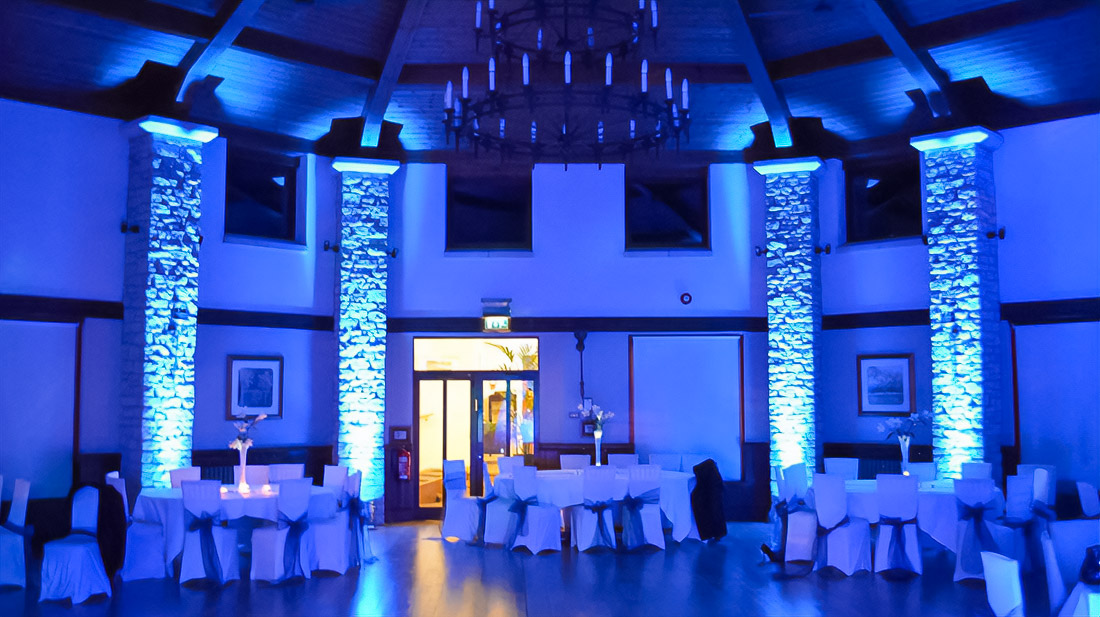
The winter season traditionally becomes a period of maximum concentration of events, and the reason for this lies not only in the calendar, but also in the conditions of the environment. When the daytime temperature stays stable in the range of 15-25°C, and drops to a comfortable 12-20°C in the evening, the format of events naturally shifts towards open spaces. This changes everything from lighting design and sound systems configuration to logistics, installation schedules, and backup AV requirements for audio visual systems.
With the growth of the tourist flow, which exceeded 5.31 million overnight visitors in the first quarter of 2025, the load on the sites and technical teams is increasing exponentially. The high occupancy rate of the hotels, exceeding 85%, means a tight schedule of events, limited installation time and the need for extremely precise coordination of all processes.
Light As A Space Management Tool
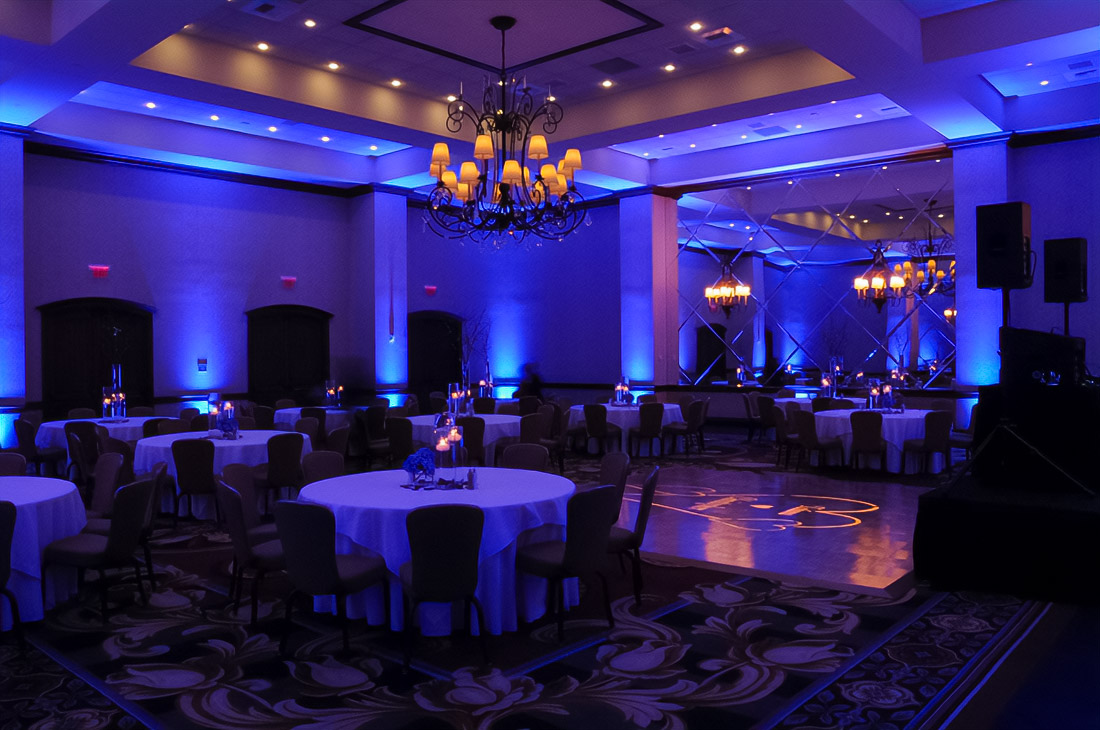
In winter, light ceases to be an exclusively decorative element and turns into a tool for controlling the perception of space. The length of a sunny day at 8-9 hours dictates the need to integrate natural lighting into the overall strategy, especially for daytime and transitional event formats.
Ambient lighting, architectural lighting and stage lighting should work synchronously, without sharp visual breaks. Here, LED lighting systems, intelligent controllers, and scenarios come to the fore, allowing you to smoothly change brightness and color temperature as dusk falls.
The economic factor also plays a significant role. When energy costs can reach 40% of operating costs, interest in daylight integration, zoning, and programmable effects is no longer a matter of taste. This becomes a question of the sustainability of the project.
Sound And Stability Of Perception
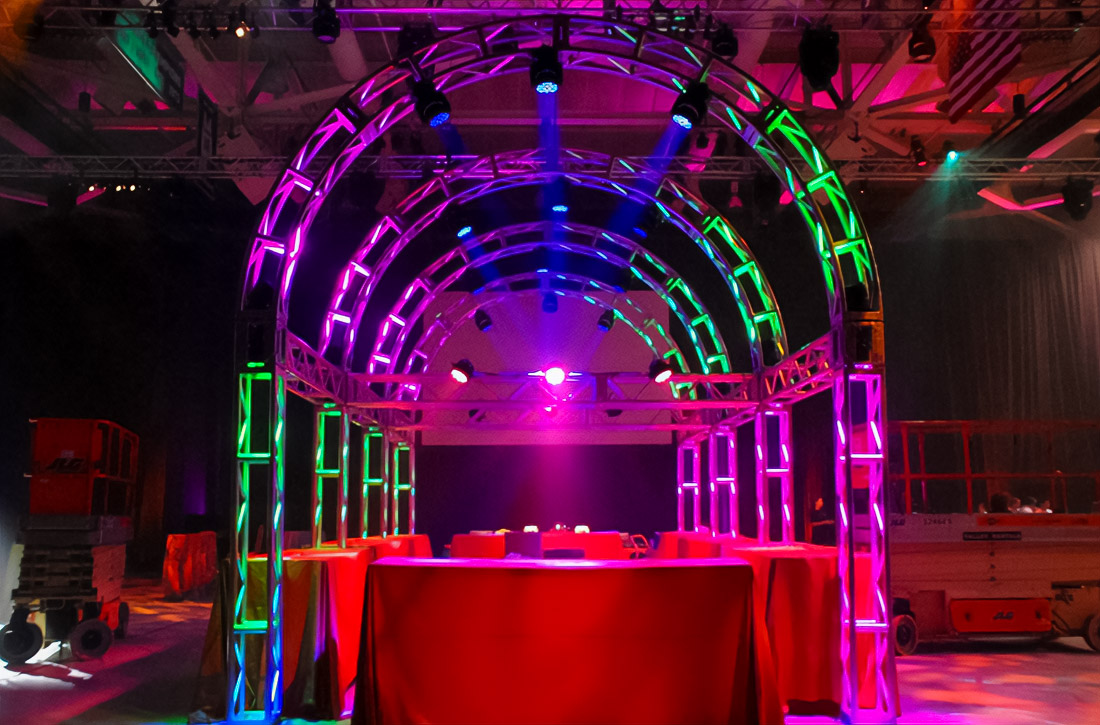
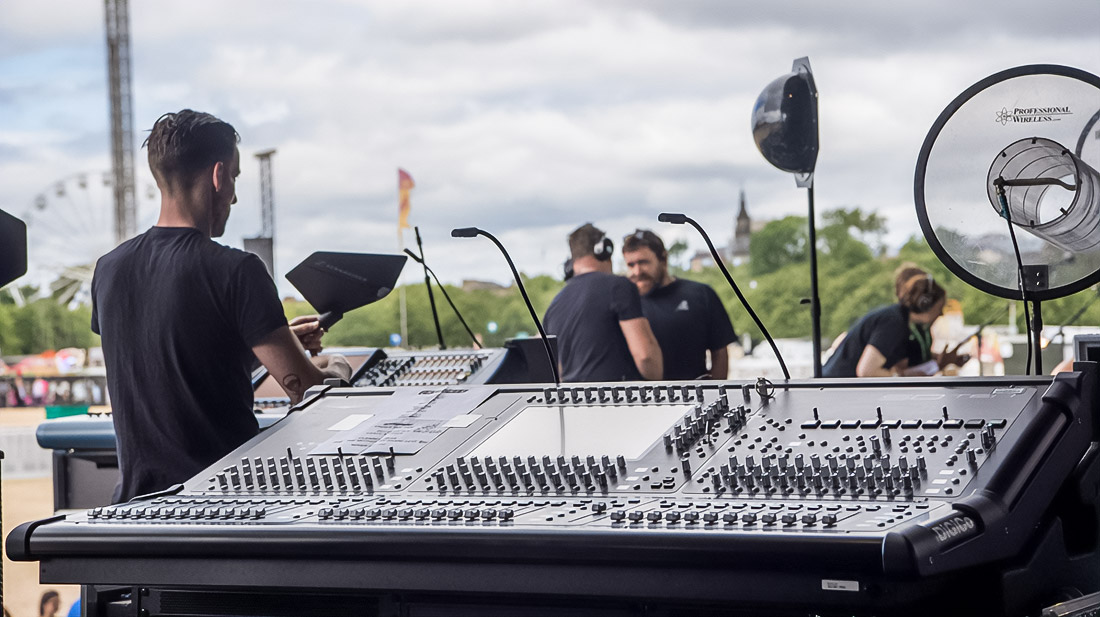
A comfortable temperature reduces the risk of overheating of the equipment, but open spaces create other difficulties. Sound scattering, reflections from temporary structures, and ambient noise require fine tuning of PA systems, correct positioning of speakers, subwoofers, and stage monitors.
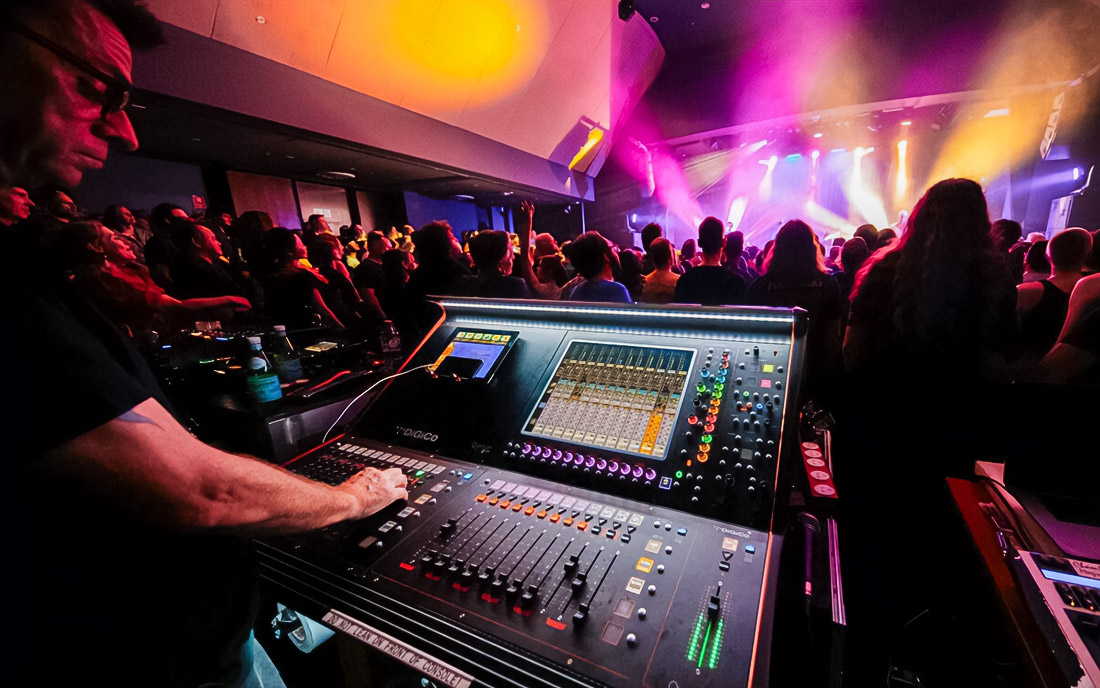
The quality of live sound mixing directly affects audience engagement. Even minor microphone issues or frequency conflicts with high event density become immediately noticeable. This is why rehearsals, dry runs, and the availability of backup systems are the standard, not an additional option.
Temperature differences between day and night, sometimes reaching a difference of 10°C, can affect cable connections and signal stability. The presence of on-site technical support, which is able to respond instantly, is critical here.
Screens, Connectivity, And Hybrid Formats
The winter season increases the dependence of events on visual content. LED screens, projection solutions, and auxiliary displays must remain readable in bright daylight, which makes the brightness parameter a key feature.
Errors in the selection of aspect ratios, installation angles, or cable management lead to visual losses, especially on large-scale sites. For hybrid events, the situation becomes even more complicated. Live streaming, signal delays, and congested networks during peak periods require network redundancy, amplifiers, and thorough device compatibility testing.
High traffic density up to 850,000 passenger trips per day places constraints on logistics and timing, reinforcing the value of accurate planning and backup scenarios.
Climate As A Factor Of Strategic Planning
Despite the mild conditions, the winter period does not exclude risks. Episodic precipitation of about 10 mm, high humidity and rare sandstorms require pre-prepared contingency plans. Protected areas, spare indoor areas and flexible installation scenarios are becoming mandatory elements of the strategy.
Winter is not just a comfortable season. This is a window of maximum opportunity, where the success of an event is determined by how accurately the light, sound, visual systems and logistics are adapted to the real conditions of the environment.

Soccer lover, doer, music blogger, Swiss design-head and proud pixelpusher. Doing at the junction of art and programing to craft delightful brand experiences. I’m a designer and this is my work.